







Search Results for: muddy flavor
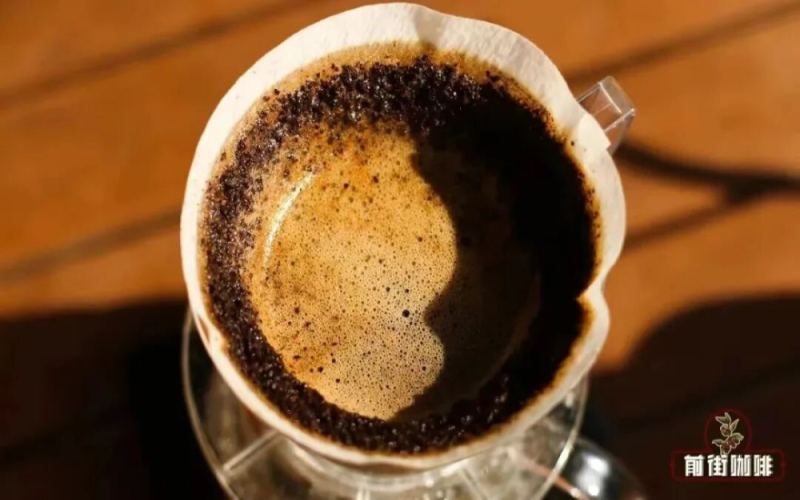
Complete Guide to Pour-Over Coffee Bed: From Muddy Bed to Crater Bed, Diagnosing Extraction Issues and Grind Adjustment Methods
The joy of pour-over coffee lies in its controllability, yet beginners often find it difficult to judge whether their brewing is done properly. Beyond tasting the flavor, the coffee bed left after brewing is also a mirror that can reflect many details such as grind size, pouring technique, and the speed of circling. An ideal coffee bed should form a uniform cone shape, with neat walls and loose, honeycomb-like granules. If the coffee bed appears muddy, sea-salt-like, uneven, flat-bottomed, or with断层, it suggests that extraction may have gone wrong. This article, drawing on Front Street's brewing recommendations, analyzes the causes and solutions for six typical coffee bed patterns one by one, helping coffee enthusiasts find directions for adjustment from the coffee bed and gradually improve the stability and flavor performance of their pour-over. [more…]
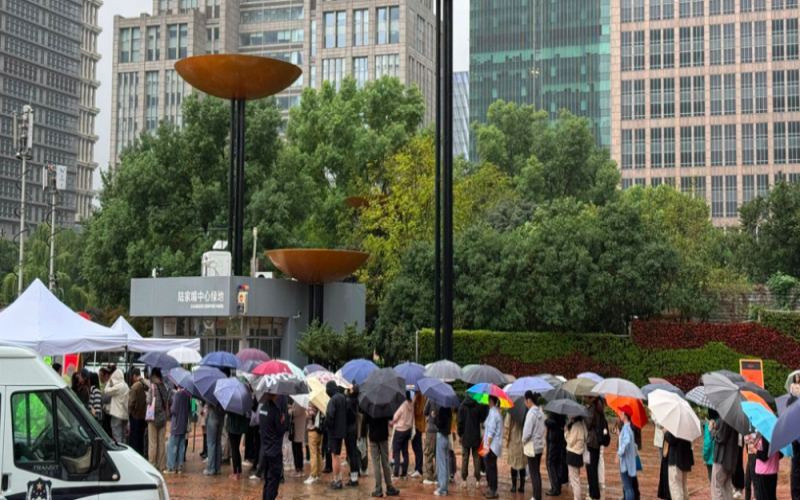
Shanghai Coffee Festival Hit by Torrential Rain: Muddy Open-Air Venue and Inadequate Emergency Preparations Spark Controversy
Recently, a coffee festival held on the grassy grounds of Lujiazui in Shanghai was hit by a sudden heavy rain, plunging what was originally a lively autumn event into a sorry mess. The rain turned the lawn into mud, some stalls leaked and lost power, and visitors struggled through the wet, slippery mud, greatly diminishing the experience. Although weather forecasts had already warned of rain over the weekend, the organizers appeared to have made inadequate preparations, sparking dissatisfaction among many participants. Still, some optimistic coffee lovers found a different kind of fun in it, even joking that they got to drink coffee with a "built-in washed flavor." Below is a detailed report on the incident. [more…]
Four Major Causes of Muddy Pour-Over Coffee Flavor and How to Adjust: A Full Breakdown of Strength, Extraction, Resting, and Water Quality
Many coffee enthusiasts encounter an awkward situation when they first start brewing pour-over: the coffee they brew doesn't taste bad, but the flavor is always vague—they can't quite put their finger on what it actually tastes like. Many people attribute this to the beans themselves and give up on further adjustment. But in fact, unclear flavor often has nothing to do with the beans—it's certain variables in the brewing process that have gone wrong. Drawing on Front Street Coffee's practical experience, this article sorts out four core reasons that may lead to vague flavor—coffee concentration being too high, over-extraction, coffee beans being too fresh, and brewing water being too hard—and provides specific adjustment plans for each situation to help you rediscover the flavor layers of your pour-over coffee. [more…]
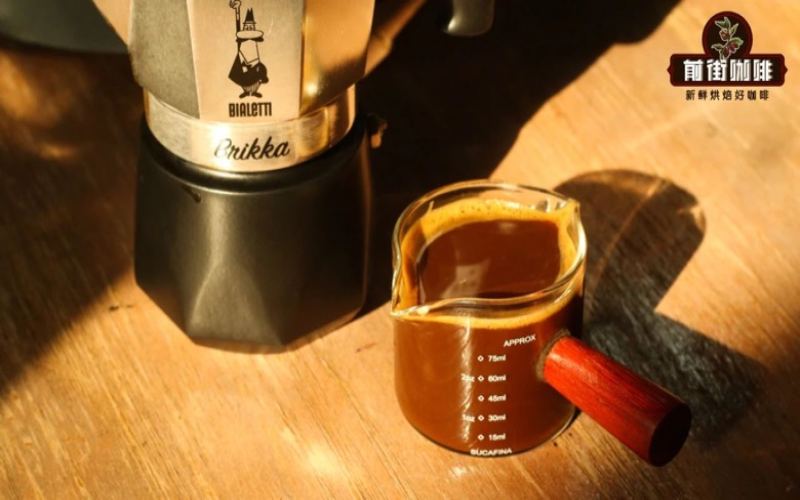
Moka Pot Bean Pitfall Guide: Where Do Sourness, Bitterness, Burnt and Muddy Flavors Come From?
Most people who brew with a moka pot have experienced that one cup of coffee that just "tastes off." You can't quite call it bad, but a sharp sourness, burnt bitterness, or astringent, muddled flavor lingers on your tongue and won't go away. Many people assume the heat wasn't controlled properly, but the problem usually lies with the beans. The moka pot's high-temperature extraction is quite sensitive to flaws in the beans, so choosing [more…]
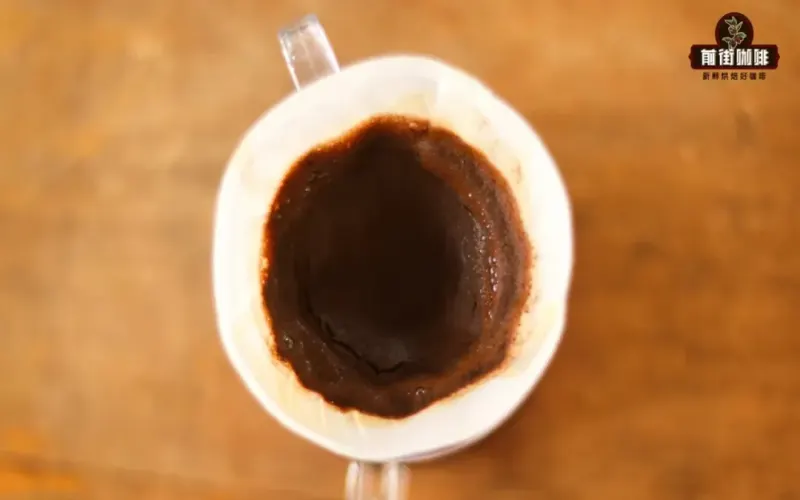
How to Fix Coffee Ground Too Fine for Pour-Over? Muddy Flow Stirring Brewing Method Explained and Practical Parameters Shared
When brewing pour-over coffee, if the filter basket ends up with a thick, muddy bed of grounds instead of distinct, granular particles, it often means the coffee was ground too fine, which easily leads to over-extraction. When faced with the dilemma of pre-ground coffee that cannot be made coarser, besides switching to immersion extraction, there is another distinctive approach using high concentration and low extraction—the mud flow. It uses extremely fine grinding combined with agitation to rapidly dissolve flavor compounds in a short time, then dilutes with hot water, resulting in coffee with a normal extraction yield and full flavor. In this article, Front Street will explain in detail the principles and specific operating parameters of the mud flow, helping you easily tackle the problem of coffee grounds that are too fine. [more…]
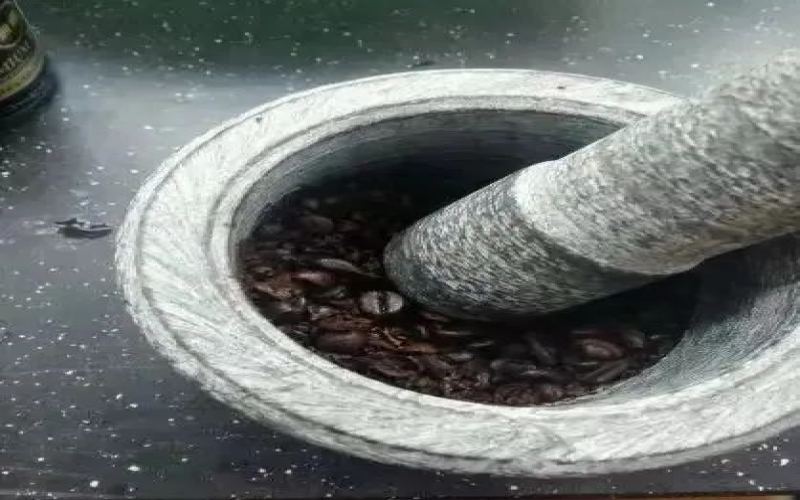
A Complete Guide to Pour-Over Coffee: A Practical Analysis of Grind Size, Pouring Technique, Coffee-to-Water Ratio, and Water Temperature
Many coffee enthusiasts buy beans to take home after enjoying a satisfying cup at a café, only to find that their own brews always seem to fall a bit short. To address this common frustration, Front Street Coffee has identified the four most error-prone stages: grind size, pouring technique, coffee-to-water ratio, and water temperature. Starting with the shape of the coffee bed after brewing, the article teaches you to judge where the problem lies by examining particle coarseness, muddiness, and drainage speed; it then analyzes the causes of weak or overly sour flavors from the details of pouring; and finally offers practical recommendations on coffee-to-water ratio and water temperature. Whether you are a beginner or looking to refine your technique, this systematic breakdown will help you find the right direction for adjustment. [more…]

Home-brewed coffee never tastes as good as in the café? An in-depth analysis of the causes and adjustment methods for sourness, bitterness, strength, astringency, muddiness, and burnt notes in pour-over coffee
Many coffee enthusiasts, after tasting an outstanding pour-over in a café, will buy the same roasted beans to try to replicate it at home, only to find the results often disappointing—either too sour or too bitter, too strong or too weak, sometimes even astringent, with off-flavors or a burnt taste. The reasons behind this are no mystery; they mainly involve consistency across batches of coffee beans, as well as differences in key parameters such as water quality, grind size, water temperature, coffee-to-water ratio, and brewing technique. Based on Front Street Coffee's brewing experience, this article breaks down these variables one by one to help you pinpoint the problem and brew coffee at home that is closer to café quality. [more…]
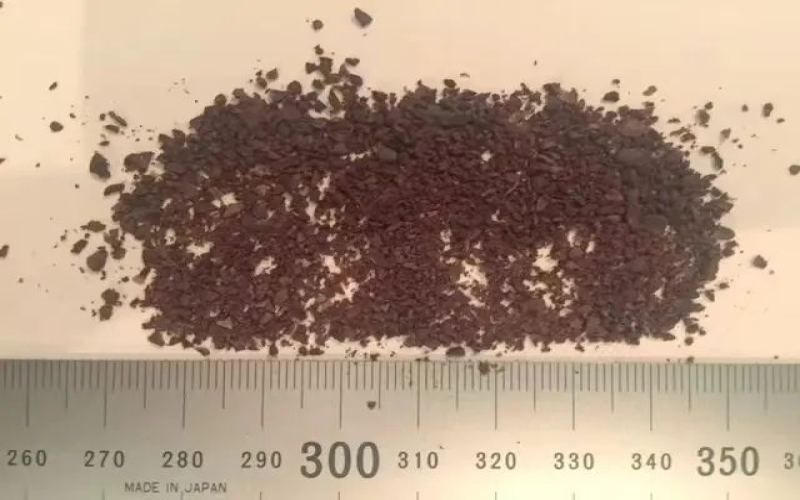
How to Deal with Excessive Fines in Pour-Over Coffee? A Full Analysis of Flat Burr, Ghost Tooth, and Conical Burr Grinder Burr Characteristics
The production of fines when grinding coffee beans is a normal phenomenon. A moderate amount of fines contributes positively to flavor; what truly causes trouble is excessive fines. Front Street Coffee has noticed that many coffee enthusiasts feel a sense of dread at the mere mention of fines, mostly because they have been tormented by clogged beds that won't drain, scorched bitterness, and astringency. This article first defines what particle size counts as fines, then explains the relationship between the causes of fines and the type of burr set, with a focus on comparing the differences among flat burrs, ghost-tooth burrs, and conical burrs in terms of grind uniformity and fines ratio. Finally, it offers two practical solutions: sifting out fines and adjusting brewing technique, along with rescue strategies for the common situation of abundant fines accompanied by coarse grounds that are also too coarse. [more…]
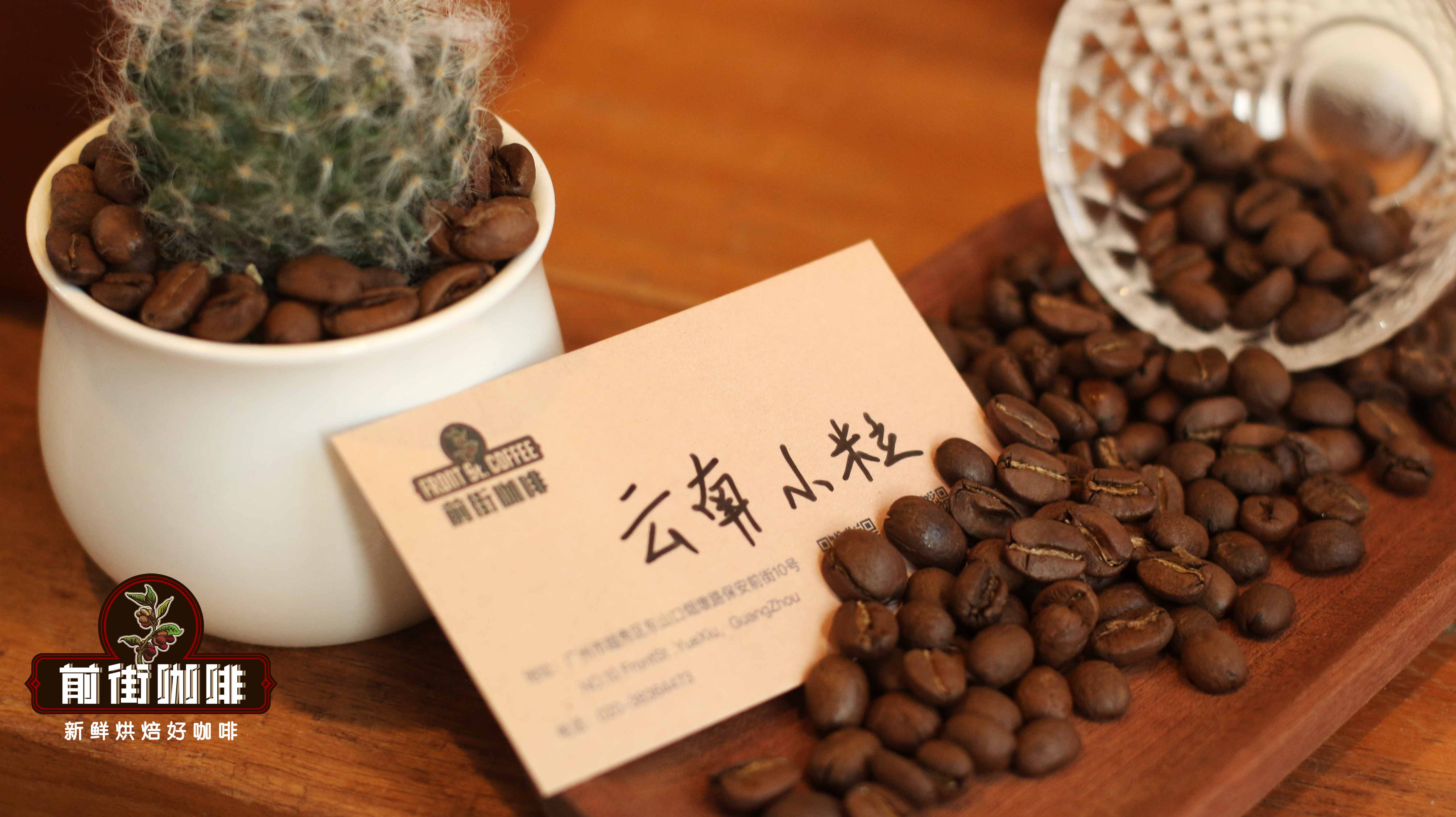
Yunnan Coffee Bean Variety Analysis: The Cultivation Status and Specialty Coffee Exploration of Catimor and Typica
Yunnan is the only province in China that cultivates Arabica coffee. In recent years, as the domestic coffee market has expanded, evaluations of Yunnan coffee have become polarized. Some people find it has an earthy, muddy taste, while others, after trying anaerobic natural-processed beans, are pleasantly surprised by its sweet aroma. Behind this contradiction lies the variety replacement and cultivation history of Yunnan coffee. This article will start with the origin of the name "small-bean coffee," trace the introduction of varieties such as Typica and Catimor, analyze the causes of Yunnan coffee's flavor characteristics, and explore two directions of its recent specialty-coffee transformation. At the same time, Front Street Coffee will share the brewing parameters and flavor performance of its own Yunnan Baoshan washed Catimor everyday beans and espresso blend. [more…]

Espresso Grind Size | What Factors Affect Espresso Flavor and How to Pull a Delicious Shot by Adjusting the Grind of Espresso Beans
As we all know! The condition of coffee beans and the weather are constantly changing every day, and this directly affects espresso extraction, causing the coffee's taste to vary each day due to these changes. If we want to keep the coffee consistently delicious, we have to adjust parameters to correct the coffee's flavor. And this is [more…]

Why Does Cold Brew Coffee Taste Bitter and Astringent? Four Common Mistakes and a Detailed Guide to Steeping Time Parameters
Cold brew coffee is made by steeping coffee grounds in cold water for a long time. Because low-temperature extraction has a high tolerance for error, it usually does not over-extract easily. But in practice, many people still end up with cold brew that has obvious bitterness, muddled flavors, and astringency. The problem often lies in four areas: using hot water for blooming or warm water for steeping, choosing dark-roast beans, steeping for too long, and using too large a coffee-to-water ratio, which leads to too high a concentration. In this article, Front Street breaks down the extraction principles behind these improper practices one by one, and gives specific recommendations for regular water temperature, grind size, coffee-to-water ratio, and steeping time, while also explaining what scenarios the 1:10 and 1:12 ratios are suitable for. If your cold brew also tastes bitter, you may want to troubleshoot by comparing it against these points. Once you find the root cause, you can consistently make a smooth cup of cold brew coffee. [more…]
Golden Mandheling Coffee Brewing Parameters in Detail: Grind Size, Water Temperature, and Flavor Characteristics of Sumatra, Indonesia
Mandheling coffee is the signature flavor of Indonesia's Sumatra region, known for its steady, full-bodied, rich and solid mouthfeel. But the Mandheling available on the market is hugely varied, differing in origin naming, variety, and quality grading. Front Street Coffee's PWN Golden Mandheling, with its strict hand-sorting standards and clean, full flavor, has become an entry-level choice for many coffee lovers. This article will cover this bean's origin background, quality characteristics, and key parameters such as pour-over grind size, water temperature, and coffee-to-water ratio, to help you brew a full-bodied coffee with both caramel sweetness and chocolate-nut notes at home. [more…]
The Channeling Effect in Pour-Over Coffee Brewing: Causes and Prevention
Channeling is often thought to be related only to espresso, but in reality, pour-over extraction can also exhibit this phenomenon. When hot water bypasses the coffee bed and flows directly away through the gap between the filter paper and the dripper, it causes uneven extraction. Drippers with flow-control ribs, such as the V60 and Origami, are more prone to this kind of problem. Channeling manifests differently depending on its severity: in mild cases, hot water flows over the coffee bed and escapes through gaps at the top; in severe cases, the coffee wall is breached, forming obvious fractures, resulting in weak, astringent, and muddy coffee. Fortunately, by adjusting the pouring method—for example, reducing large circular pours and lowering the pouring height—the occurrence of channeling can be effectively reduced. [more…]

How can coffee reveal rich layers in the mouth? A complete approach from bean selection to brewing
Many coffee enthusiasts hope that the coffee they brew is not just a single flavor, but can present changes and rich sensations in the mouth—this is what is called layering. How exactly is layering defined? It is reflected both in the evolution of sweet, sour, bitter, and salty tastes and in whether the flavors are clearly distinguishable. To get a cup of coffee with rich layering, you need to start from multiple steps: bean selection, processing method, retention of fines, adjustment of the coffee-to-water ratio, and pouring method. This article will systematically sort out the key points for brewing layering, from conceptual understanding to practical methods, to help you adjust parameters with more direction in daily brewing, making the coffee's flavor expression more three-dimensional and clearer. [more…]
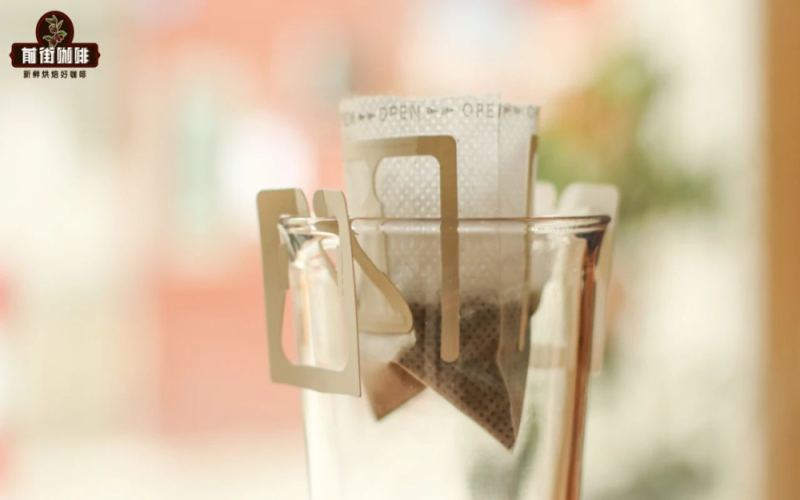
Drip Coffee Bag Brewing Tips: How to Brew Low-Acid, Rich, Non-Bitter Freshly Ground Black Coffee and Front Street Product Recommendations
Drip coffee bags offer a convenient option for enthusiasts who seek specialty flavor but prefer not to brew manually. Some question whether they are professional enough, but as long as the beans are of high quality, the packaging blocks oxygen, and the coffee is consumed within its prime drinking period, the gap between drip bags and freshly ground pour-over is actually quite small. Front Street drip bags insist on fresh roasting and fresh grinding, and the grinder is thoroughly cleaned before each production run to avoid flavor crossover. The grind size has been repeatedly tested and set to medium-fine, reducing the over-extraction and muddiness caused by fine powder clogging. This article will also share the standard drip bag brewing steps, explaining everything from coffee-to-water ratio, water temperature, to pouring technique, and recommend four Front Street drip bags—Yirgacheffe, Sun-Dried Huakui, PWN Golden Mandheling, and Brazil Queen Estate—according to four flavor directions: floral and fruity, tropical fruit, low-acid and full-bodied, and balanced nuance, helping readers choose according to their preferences. [more…]
A Complete Guide to the Golden Cup Standard for Pour-Over Coffee: The Golden Ranges for Extraction Yield and Strength, Plus Practical References
You often hear the "Golden Cup Standard" mentioned in coffee circles—what exactly does it mean? Simply put, it's an extraction reference range derived by Dr. Lockhart in the last century through extensive sampling surveys—when coffee's extraction yield and concentration fall within a specific range, most people find it tastes good. After subsequent research revisions, the optimal extraction yield was ultimately determined to be 18%~22%, and concentration 1.15%~1.35%. However, Front Street would like to remind everyone that the Golden Cup Standard is only a reference benchmark for beginners, not the sole criterion for whether coffee tastes good. This article will break down in detail the origins of the Golden Cup Standard, the meaning of extraction yield and concentration, and why coffee outside this range isn't necessarily bad—helping you understand the extraction logic of pour-over coffee more flexibly. [more…]
Is It Feasible to Use 30 Grams of Coffee for a Single Pour-Over? Adjustment Approach and Practical Tips for Large-Dose Extraction
During holidays and family gatherings, there's always someone hoping the coffee enthusiast will brew a fresh pot on the spot. But when the dose jumps from the usual 15 grams to 30 grams, the same technique tends to cause water to pool at the end of the drawdown, drag out the brew time, and leave the flavor low and muddy. Why does extraction change so much once the dose goes up? Front Street Coffee breaks down the challenges of large-dose pour-over one by one—from dripper model and blooming method to pouring rhythm—and offers adjustment plans for both the 02 and 01 drippers, helping you brew coffee close to your everyday standard even at gatherings with many people. [more…]
Over-extracted Coffee | Why Does Brewed Coffee Taste Bitter? How Can Coffee Beginners Avoid Over-Extraction When Making Pour-Over Coffee?
Many friends just starting out always face the trouble of over-extraction! So-called "over-extraction" refers to excessive extraction. In a coffee bean, the substances that can be dissolved out by water make up about 30% of the total. Although there is only this much, we cannot dissolve everything out. Because inside, besides [more…]
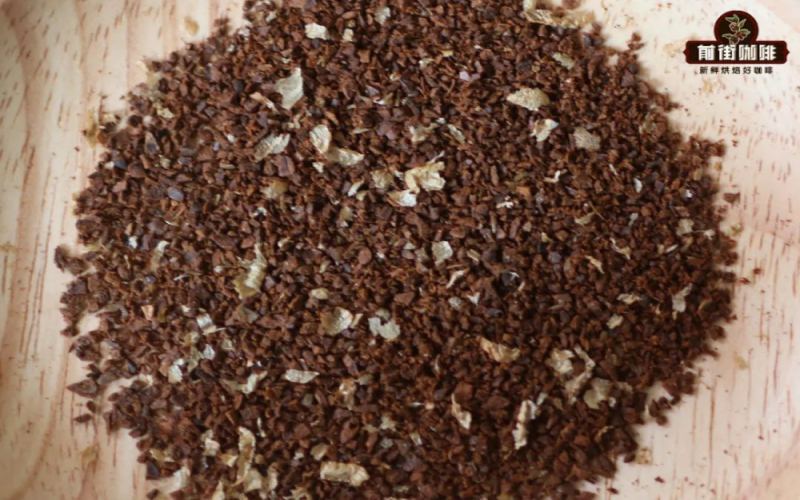
Should Fine Particles Be Sifted Out of Pour-Over Coffee? An Analysis of How Grind Uniformity Actually Affects Extraction
When encountering slow drainage and muddy flavors during pour-over coffee brewing, many people's first reaction is to blame the fines, so they buy a sieve to try to solve it. But after sifting out the fines, the clogging does improve, yet the taste becomes flat and dull—why exactly is that? What role do fines actually play in extraction? Starting from a real confusion shared by a friend with Front Street Coffee, this article discusses the dual nature of fines, the actual effect of sieves, and the reasonable direction for choosing pour-over grind size, helping you clarify the balance between grind and flavor. [more…]

What does "layering" mean in pour-over coffee? How can you improve the layering of coffee?
When tasting coffee, we focus on flavor, mouthfeel, and aftertaste, but when it comes to complexity, few people understand what it means. In this article, Front Street Coffee will help you understand complexity in coffee!! When a coffee is rich in complexity, it means that in one sip, you can clearly perceive multiple flavors, that is, [more…]